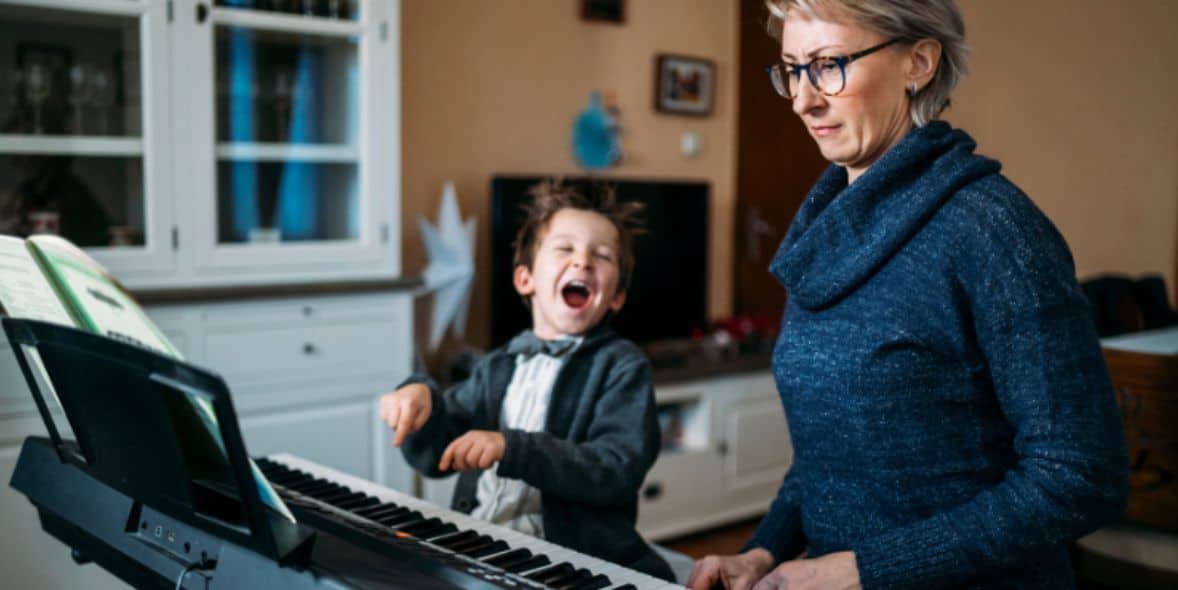
In this comprehensive guide, we will explore everything you need to know about piano learning methods for children, including how to find the best approaches for young learners, where to seek quality piano lessons for kids in Utah, and why Volz Piano offers a unique and effective program. Whether you are a parent, a guardian, or an aspiring piano teacher, this extensive discussion will walk you through the essential subtopics, valuable tips, and frequently asked questions about children's piano instruction.
Table of Contents
- Introduction to Piano Learning Methods
- Understanding the Basics of Children’s Piano Instruction
- Benefits of Piano Lessons for Kids
- Overview of Traditional Piano Learning Methods
- Modern Piano Learning Approaches
- The Complete Volz Piano Method for Kids
- Finding the Right Piano Teachers for Kids
- Tips for Parents in Supporting Children’s Music Education
- In-Home Piano Instruction in Salt Lake County and Utah County
- What to Look for in Piano Education Programs for Kids
- Practice Techniques and Tools for Beginner Piano Classes for Children
- Costs and Budgeting: Affordable Children’s Piano Lessons in Utah
- FAQs
Introduction to Piano Learning Methods
Learning to play the piano is a rewarding journey that helps children develop musical skills, cognitive abilities, and self-expression. As more parents recognize the benefits of children’s music education, they seek piano lessons for kids that cater to a variety of needs, such as location, budget, and teaching approaches. With so many piano learning methods available, parents often wonder which method is best for their child.
This blog post offers an extensive look at how to choose piano classes for young learners, the different piano learning methods (traditional and modern), and how Volz Piano in Salt Lake County and Utah County provides an exceptional experience for families by offering Piano Teachers that Drive to You. Whether you need piano lessons for children in Salt Lake County, in-home piano instruction for kids in Utah County, or you are searching for beginner piano classes for kids near me, this guide will help you find the best piano learning methods for kids.
We will also address some critical considerations, such as the benefits of introducing music at an early age, how to evaluate piano education programs for kids, and practical tips for parents on how to support young learners throughout their musical journey. Stay tuned for an in-depth exploration of all the topics surrounding child-friendly piano instruction, from classical techniques to innovative strategies like interactive apps and group lessons.
Let’s begin by understanding the basics of children's piano instruction and why a structured method matters so much for young learners.
Understanding the Basics of Children’s Piano Instruction
Early Exposure to Music
Children exposed to music at a young age often display improved cognitive function, better emotional regulation, and enhanced social skills. This is because learning an instrument, especially the piano, requires multi-sensory engagement—children develop hand-eye coordination, listening skills, and even mathematical thinking through reading music.
When introducing the piano to kids, it’s important to keep lessons entertaining and interactive. The best time to start is between ages five and eight, although many children can begin earlier if they show interest. Early piano lessons for kids pave the way for improved dexterity and a natural affinity for the instrument.
Fundamental Concepts for Beginner Piano Classes
Before diving into advanced piano learning methods, children should learn some fundamental concepts:
- Posture and Hand Position: Sitting up straight with relaxed shoulders helps children maintain control over their movements. Proper hand positioning on the keys fosters good technique and prevents strain.
- Note Recognition: Learning to identify and locate notes on the keyboard sets the foundation for reading sheet music.
- Rhythm and Timing: Children should become familiar with basic rhythms, beats, and tempo changes to play music accurately.
- Music Theory Basics: Concepts like scales, chords, and intervals can be introduced gently and practiced over time.
By ensuring your child grasps these basic principles, you lay a strong foundation for whichever piano learning methods you choose.
Setting Goals and Expectations
Every child is unique, and their progress may differ significantly from one another. Some children will pick up lessons faster, while others may require more time and patience. It’s essential to set realistic goals and celebrate small achievements. Encouragement and consistent practice routines will positively influence long-term growth.
Benefits of Piano Lessons for Kids
Beyond cultivating musical talent, piano lessons for kids offer numerous advantages that extend into various aspects of their lives. Whether it’s learning to read music or performing confidently in front of an audience, the benefits can be profound and long-lasting.
Cognitive and Academic Advantages
Studies reveal that children who learn a musical instrument often excel in math, language, and spatial reasoning. The piano, being a highly visual and interactive instrument, promotes critical thinking and problem-solving skills. As they decode musical notation, children exercise their brains in ways that can enhance their overall academic performance.
Emotional and Social Development
Music is a universal language that can help children express emotions they might not be able to articulate with words. By channeling their feelings into playing the piano, kids can develop better emotional awareness and regulation. Additionally, participating in recitals or group classes fosters collaboration and social skills.
Boosting Self-Esteem and Discipline
Consistent practice, especially following structured piano learning methods, instills a sense of discipline in children. As they achieve milestones—like learning a challenging piece—they gain confidence in their abilities. This sense of accomplishment often translates to greater self-esteem both in and out of the classroom.
Overview of Traditional Piano Learning Methods
The term piano learning methods can include a diverse range of teaching approaches. Traditional methods generally focus on reading sheet music, correct finger placement, and classical repertoire. Let’s explore some long-standing practices that have shaped children's piano instruction for decades.
The Classical Approach
Also known as the “conservatory method,” the classical approach emphasizes rigorous technique, sight-reading, and memorization. Students often learn famous classical pieces by composers like Bach, Mozart, and Beethoven. While this method offers a strong foundation in music theory, it can be demanding for younger children who thrive on variety and play-based learning.
The Suzuki Method
Developed by Dr. Shinichi Suzuki, this method believes that children learn music in the same way they learn their native language—through listening, repetition, and gentle encouragement. It fosters a nurturing environment with substantial parental involvement. While the Suzuki method is more common in string instruction, adaptations exist for piano. Students focus on ear training before reading music, often delaying note reading until a firm technical base is established.
The Alfred Method
The Alfred method uses a series of textbooks and supplementary materials that gradually introduce music theory, technique, and performance. Lessons often involve step-by-step progression, ensuring students master one skill before moving on to the next. This can be especially beneficial for beginner piano classes for children who thrive on structure.
The Bastien Method
The Bastien method is another prominent approach for children, characterized by colorful books and engaging illustrations. The method typically divides lessons into three sections: theory, performance, and technique, making it easier for teachers and parents to track a child’s progress. Bastien fosters an incremental approach to learning, appealing to children who enjoy visual aids and consistent reinforcement.
Each of these traditional methods has proven effective for decades, but the best choice often depends on your child’s learning style, age, and level of engagement. The next section will look into more modern methods, especially as technology becomes an integral part of our lives.
Modern Piano Learning Approaches
With the advancement of digital technology, new ways to teach and learn piano have emerged. While traditional methods remain valuable, modern approaches can sometimes provide the variety and fun that hold a child’s attention, especially in early stages of youth piano tutorials. Let’s delve into some of these innovative techniques.
Interactive Piano Apps
There are numerous piano-learning apps designed specifically for children. Some popular ones include interactive games that teach rhythm, note recognition, and even music theory. Apps often utilize instant feedback systems, where a program “listens” to the child’s playing and provides corrections in real-time. While these tools can’t replace a skilled human teacher entirely, they can supplement lessons and keep practice sessions engaging.
Online Video Tutorials
Platforms such as YouTube host countless youth piano tutorials that cover everything from reading sheet music to mastering specific songs. Teachers often incorporate these videos into homework assignments, allowing students to revisit tricky sections multiple times. However, parental supervision is crucial to ensure children follow reliable channels and don’t develop bad habits from unverified sources.
Group Piano Classes
Modern learning methods sometimes emphasize collaboration by placing children in group settings. These group lessons can encourage peer learning and a sense of community. Young learners gain social skills and motivation from seeing others at their level, though individual attention might be less compared to private lessons.
Hybrid Methods
Many piano programs now combine traditional and modern methods. Teachers might use standard piano curricula alongside technological tools, such as electronic keyboards with built-in lesson features. This approach aims to provide the comprehensive foundation of traditional methods while leveraging the engagement benefits of modern technology.
The Complete Volz Piano Method for Kids
In the sphere of piano learning methods, the Volz Piano approach stands out, particularly for parents seeking comprehensive and flexible children’s piano instruction in Salt Lake County and Utah County. Volz Piano understands the unique challenges that busy families face, and they have tailored their program, known as the “complete Volz piano method for kids,” to address these concerns effectively.
Holistic Learning
The Volz Piano method emphasizes a holistic approach, integrating technique, theory, creativity, and performance. Their curriculum aims to nurture well-rounded musicians who can read music fluently and play with expressive artistry. This balanced approach helps children develop not only technical skills but also an emotional connection to music.
Piano Teachers that Drive to You
One of the most distinctive features of Volz Piano is their “Piano Teachers that Drive to You” setup. They offer in-home piano instruction for kids in Utah County as well as piano lessons for children in Salt Lake County. This is particularly beneficial for families juggling work, school schedules, and extracurricular activities. By bringing the teacher to your home, Volz Piano eliminates the travel burden, allowing children to learn in a comfortable and familiar environment.
Curriculum Tailored for Kids
The complete Volz piano method for kids is specifically designed to resonate with young learners. Through fun exercises, interactive materials, and age-appropriate repertoire, Volz Piano keeps students engaged and motivated. The approach blends elements of traditional and modern teaching, ensuring students gain a strong theoretical foundation while enjoying the benefits of technological advancements.
Parental Involvement
Volz Piano recognizes the importance of parental support in children's piano instruction. Parents receive resources and tools to help them guide practice sessions at home. This collaboration between teacher, student, and parent fosters a supportive learning environment that can lead to quicker progress and a deeper love for music.
Track Record of Success
Many families in Salt Lake County and Utah County choose Volz Piano because of the company’s proven success rate with young learners. Their method has been refined through years of teaching, ensuring that each child receives personalized, high-quality instruction. By offering piano lessons for kids in a convenient, child-friendly manner, Volz Piano helps students stay committed and achieve meaningful milestones in their musical journeys.
Finding the Right Piano Teachers for Kids
The teacher-student dynamic is crucial in ensuring a positive experience and steady progress. Even the best piano learning methods for kids can falter if there isn’t a good rapport between the child and the instructor. Here are some considerations when choosing a piano teacher for kids.
Qualifications and Experience
A teacher’s educational background and professional experience can provide insights into their teaching style and competency. Look for instructors with formal training or certifications in music education. However, remember that passion and a genuine love for teaching can sometimes outweigh formal credentials.
Teaching Philosophy
Each teacher has their own philosophy. Some prioritize strict discipline and structured lessons, while others adopt a more flexible, play-based approach. Understanding your child’s personality will help in selecting an instructor whose methods align with your child’s needs and learning style.
Student-Teacher Chemistry
Arrange a trial lesson before committing to a teacher. This allows you to observe how well your child responds to the instructor’s guidance. A supportive, patient, and encouraging teacher can make all the difference in helping a young learner persevere, especially through challenging pieces or concepts.
Convenience and Reliability
Logistics play a huge role in maintaining consistent lessons. If driving to a music studio is a challenge, consider services like Volz Piano that offer Piano Teachers that Drive to You. Regular lesson schedules, clear communication, and punctuality are all indicators of a reliable teacher.
Tips for Parents in Supporting Children’s Music Education
Parental involvement is a critical component of a child’s success in children’s piano instruction. Here are effective strategies to create a nurturing environment that fosters curiosity and love for music.
Create a Dedicated Practice Space
Designate an area in your home that is free from distractions and noise. This space should be comfortable, well-lit, and equipped with a piano or keyboard. By associating a specific area with practice time, children can focus better and develop a routine.
Establish a Consistent Practice Schedule
Consistency is key in mastering any skill, especially the piano. Whether it’s 15 minutes a day for beginners or 30 minutes for more advanced learners, a regular schedule helps reinforce muscle memory and theoretical knowledge. Allow breaks to prevent burnout, but encourage discipline by sticking to your established timetable.
Celebrate Small Accomplishments
Recognizing progress motivates children to keep improving. Celebrate milestones, such as learning a new song or mastering a tricky passage. This can be as simple as offering praise, a sticker, or recording a short video of their performance to share with family and friends.
Encourage Exploration
In addition to structured lessons, let children explore different musical styles or compose their own melodies. Encouraging creativity can reignite their excitement about learning and help them develop a broader musical palate.
Stay in Communication with the Teacher
Regularly touch base with the instructor to discuss your child’s progress, strengths, and areas needing improvement. Open communication ensures that everyone is on the same page and that teaching strategies can be adjusted to best serve your child’s needs.
In-Home Piano Instruction in Salt Lake County and Utah County
Utah is home to a vibrant community of music educators and programs. Among these, Volz Piano stands out for its in-home piano instruction for kids in Utah County and piano lessons for children in Salt Lake County. This section highlights why at-home lessons might be a game-changer for families seeking convenient, high-quality piano classes for young learners.
Advantages of In-Home Lessons
- Time Savings: Eliminating commuting time reduces stress and fits more easily into busy family schedules.
- Comfort: Children often feel more relaxed in their own environment, which can lead to more productive lessons.
- Personalized Attention: Teachers can better tailor the lesson to the household’s needs, adjusting the pacing and activities based on the child’s immediate surroundings.
- Reduced Anxiety: Performing in front of strangers at a music studio can be intimidating for some children. An at-home setting offers a safe and familiar space.
Volz Piano’s Approach to In-Home Instruction
The “Piano Teachers that Drive to You” model by Volz Piano exemplifies how in-home lessons can transform piano education programs for kids. Teachers bring all necessary learning materials, and each session is customized to align with the child’s progress and the family’s routine. Their presence in both Salt Lake County and Utah County ensures that families across these areas have access to high-quality instruction without the usual commute.
Ensuring Continuity and Consistency
At-home lessons have the added benefit of consistency in scheduling. Families can designate specific days and times that work best, and teachers incorporate practice strategies tailored to the home environment. As a result, children experience a more seamless transition from lesson to practice time, reinforcing learning.
What to Look for in Piano Education Programs for Kids
Choosing the right piano education programs for kids can significantly impact your child’s musical journey. From lesson structure to teacher qualifications, the following guidelines help you evaluate programs both in-person and online.
Program Accreditation and Reputation
While formal accreditation isn’t always mandatory, it helps if the institution or program has recognition from credible music associations. Reviews, testimonials, and word-of-mouth recommendations from other parents can also provide insight into a program’s effectiveness.
Curriculum Scope
Does the program cover the fundamentals of music theory, technique, and performance? Ensure that the curriculum is well-rounded. Some programs might focus heavily on performance pieces at the expense of theory, while others might overload students with theoretical concepts.
Flexibility and Customization
Every child’s learning pace is unique. Look for programs that allow personalized instruction, whether through one-on-one lessons or small group settings. Flexibility in rescheduling, length of lessons, and repertoire choices can be a big plus, especially for busy families.
Opportunities for Performance
Participating in recitals or concerts can tremendously boost a child’s confidence and stage presence. Programs that organize regular performance opportunities provide valuable experience in overcoming stage fright and showcasing progress.
Support Materials and Resources
Quality piano education programs for kids often include supplementary materials like workbooks, online resources, or interactive apps. Ask whether the program provides these resources and how they integrate them into the learning experience. A combination of guided lessons and supportive materials can optimize your child’s growth.
Practice Techniques and Tools for Beginner Piano Classes for Children
Practice is the backbone of progress for any budding pianist. However, not all practice is created equal. Incorporating the right techniques and tools will enhance learning and help children retain what they’ve learned in lessons.
Warm-Up Exercises
Many piano learning methods emphasize the importance of warming up the fingers and hands. Simple five-finger exercises and scales can help children loosen their muscles and mentally prepare for more complex tasks. Make warm-ups engaging by turning them into small challenges or adding rhythmic variations.
Slow Practice
When learning a new piece, it’s tempting for kids to rush through it. Encourage them to break down the music into smaller segments and practice each segment slowly. This approach ensures they accurately learn the notes, rhythms, and fingerings from the start, reducing the risk of ingrained mistakes.
Use of Metronomes
Timing and tempo play significant roles in musicality. A metronome helps children internalize a steady beat, ensuring consistency in rhythm. Start at a slower tempo, then gradually increase the speed as they gain confidence.
Recording and Playback
Many keyboards and apps offer recording features. Encourage your child to listen to their own playing to identify areas needing improvement. Hearing their performance from a listener’s perspective can be a powerful tool for self-correction.
Goal-Oriented Sessions
Rather than simply telling your child to “practice for 20 minutes,” set specific, achievable goals for each session—such as mastering a particular section or memorizing a few measures. This targeted approach makes practice feel more purposeful and manageable.
Costs and Budgeting: Affordable Children’s Piano Lessons in Utah
Music education can be a worthwhile investment in your child’s development. Nevertheless, cost remains a practical concern for many families. Fortunately, finding affordable children’s piano lessons in Utah doesn’t mean compromising on quality, especially when exploring various teaching approaches and flexible programs like Volz Piano.
Factors Influencing Cost
- Teacher’s Experience: Highly qualified or in-demand teachers often charge higher rates.
- Location: In-home lessons might cost more than studio lessons, but you save on travel time and expenses.
- Lesson Length and Frequency: Weekly 30-minute lessons generally cost less than hour-long sessions.
- Additional Materials: Books, apps, and supplemental resources can add to monthly expenses.
Exploring Package Deals
Many programs, including Volz Piano, offer package deals or semester-based pricing that can reduce the overall cost per lesson. Some might also provide family discounts if multiple siblings enroll. Always inquire about any special rates or promotional offers.
Scholarships and Community Resources
Some community music schools and non-profit organizations offer scholarships or reduced rates for families who qualify. Local cultural centers or community centers sometimes host group classes at a lower cost, presenting another avenue for affordable children’s piano lessons in Utah. Though group classes offer less individual attention, they can be a budget-friendly alternative or supplement.
Return on Investment
While you should certainly budget carefully, remember that piano lessons offer numerous benefits—from improved cognitive skills to increased self-esteem. Viewing lessons as a long-term investment in your child’s personal and educational development can help justify the costs. Programs like the complete Volz piano method for kids emphasize value by offering comprehensive instruction that aims for significant growth and retention.
Long-Term Financial Planning
If you plan for your child to continue piano lessons for years, consider investing in a quality piano or digital keyboard. Although initial costs may be higher, a durable instrument pays off over time and enhances the learning experience. Also, compare the value added by programs that come with additional features, such as practice tools and performance opportunities, versus lower-cost lessons that might lack these resources.
FAQs
Most experts recommend starting formal piano lessons around ages five to eight, though some children may be ready earlier if they show strong interest. Ultimately, it depends on the child’s fine motor skills and ability to focus.
Beginners can benefit from short, daily practice sessions of about 15–20 minutes. As they advance, sessions can extend to 30 minutes or more. Consistency is more important than total time.
While apps and online tutorials can be valuable supplementary resources, they rarely replace the guidance of a qualified, in-person teacher. A teacher can provide real-time feedback, correct mistakes, and adjust lesson plans to suit your child’s needs.
Beginner keyboards are suitable for initial learning if they have weighted or semi-weighted keys and sufficient range (usually at least 61 keys). If your budget allows, an acoustic piano or a full 88-key digital piano with weighted keys provides a more authentic playing experience.
Absolutely. The complete Volz piano method for kids is designed to accommodate beginners of all ages and skill levels. Their holistic approach ensures each child builds a strong foundation, whether they are just starting out or advancing to higher levels of proficiency.