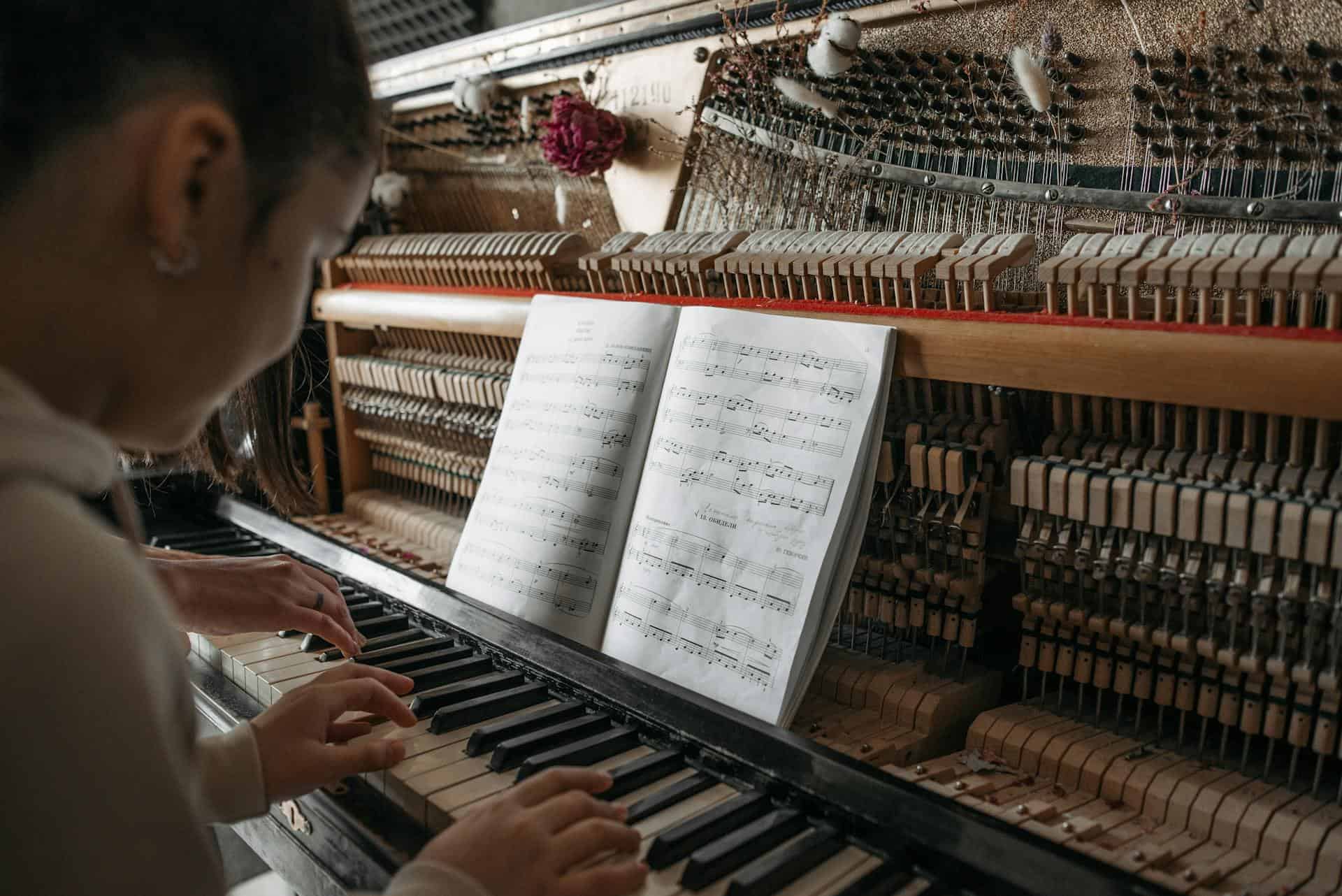
Finding the right piano teaching methods for young beginners can unlock proven boosts in memory, focus, language acquisition, and even IQ. Long-term studies show that structured keyboard study rewires brain networks linked to executive function, while MIT research confirms that piano lessons strengthen children’s ability to hear subtle speech sounds. This guide explores the child-focused Volz Piano Method, the advantages of Utah-based piano teachers that drive to you, and step-by-step strategies for sustaining fun, effective piano lessons for kids—from first notes to confident performance.
Table of Contents
- Understanding Piano Teaching Methods for Kids
- Inside the Volz Piano Method
- Why Piano Teachers That Drive to You Matter in Utah
- Choosing Beginner Piano Classes for Children
- Online & Hybrid Lessons That Keep Kids Engaged
- Piano Practice Tips for Children
- Fun Piano Activities for Children
- Designing a Structured Piano Curriculum for Kids
- Closing Thoughts
- FAQs
1. Understanding Piano Teaching Methods for Kids
The world of piano teaching methods is broad: ear-first Suzuki, multi-sensory Kodály, game-driven WunderKeys, and more. Each funnels core skills—rhythm, reading, technique—through child-friendly lenses. A three-year longitudinal study showed that weekly piano instruction measurably improved spatial cognition and academic scores (ArtsEdSearch). Parents choosing piano lessons for kids should ask how a curriculum balances listening, rote pieces, and visual note reading—crucial for child-friendly piano instruction that sticks.
2. Inside the Volz Piano Method
The Volz Piano Method blends traditional sight-reading with interactive activities that keep lessons lively. Teachers introduce new concepts with rhythm clapping, color-coded flash cards, and creative composition prompts. This scaffolding aligns with findings that game-based music learning heightens a child’s intrinsic motivation (Frontiers in Psychology). By sequencing material in bite-sized units, Volz ensures engaging piano lessons for kids AND continuous technical growth.
3. Why Piano Teachers That Drive to You Matter in Utah
Families juggling sports and homework appreciate instructors who arrive at their doorstep. In-home sessions mean children practice on their own instrument with correct bench height and no travel fatigue. Convenience translates into stronger attendance and practice consistency—key factors in skill retention (Cedarville University review). Serving Salt Lake, Utah, and Davis Counties, Volz’s mobile team lets parents observe progress and keeps beginners relaxed in a familiar space.
4. Choosing Beginner Piano Classes for Children
4.1 Key Criteria
- Instructor experience with youth piano education programs
- Clear road-map from first recital to piano courses for young beginners
- Lesson materials that mix theory games with rote pieces
- Options for online piano classes for children during travel or illness
The best piano teaching methods for kids respect short attention spans. Experts at Parents Magazine suggest starting around age 5, once children can focus for 15 minutes and differentiate left from right.
5. Online & Hybrid Lessons That Keep Kids Engaged
When travel or snow days strike, hybrid plans preserve continuity. Transparent camera angles, on-screen notation, and duet tracks transform distance sessions into interactive piano lessons for kids. NPR’s “Young Person’s Guide to Making Music” series shares how technology-aided practice can reduce frustration (NPR). Families in Utah who snowboard on weekends often pivot to virtual lessons, keeping progress on track.
6. Piano Practice Tips for Children
Effective practice is short, daily, and goal-oriented. Music psychologists recommend breaking sessions into five-minute chunks with micro-targets (NPR Practice Tips). A simple timer or sticker chart gamifies consistency, turning “play it five times” into a victory lap. Rotate warm-ups, new measures, and favorite pieces to nurture confidence and guard against boredom.
7. Fun Piano Activities for Children
Cup-rhythm relays, keyboard scavenger hunts, and composing mini movie themes transform boring drills into fun piano activities for children. Research at the University of Kansas found that playful improvisation sessions boost creative thinking and persistence (NPR Kids Keyboards & Classics).
8. Designing a Structured Piano Curriculum for Kids
Every structured piano curriculum for kids should map yearly milestones: note-reading fluency by age seven, dynamic shaping by eight, two-hand coordination by nine. An NIH-archived meta-analysis links such sequenced study to higher executive-function scores and working memory (NIH PMC). Supplement core books with seasonal duets and ensemble work to diversify sound worlds and stave off burnout.
9. Closing Thoughts
With expert guidance, motivating routines, and flexible piano teachers that drive to you, Utah families can turn kitchen-table keyboards into springboards for lifelong musicianship. The Volz Piano Method merges proven pedagogy with joyful exploration, ensuring children not only learn but love the piano—one well-placed key at a time.
10. FAQs
What age is best to start piano lessons for kids?
Most children thrive when they begin between ages 4–6, once they can focus for at least 10 minutes and understand basic counting.
How long should my child practice each day?
Start with 10–15 focused minutes, increasing gradually until daily practice equals lesson length.
Do online piano classes work as well as in-person sessions?
Yes—when tech is optimized and paired with periodic in-home coaching for posture checks and tone quality.
What type of keyboard should beginners use?
A weighted, 88-key digital piano with sustain pedal offers authentic touch without tuning costs.
How can I keep lessons engaging long-term?
Set mini-goals, explore varied genres, schedule informal recitals, and integrate apps that gamify sight-reading.