
Private Piano Lessons in Salt Lake City: How In-Home Tutors Help Kids Thrive
Private piano lessons in Salt Lake City give children a rare mix of focused one-on-one attention, a lively local arts scene, and the convenience of teachers who drive directly to your home. For busy Utah families, this combination can turn music study from one more car trip into a joyful weekly habit that fits real life. Volz Piano offers the complete Volz Piano method for kids along with a unique “Piano Teachers that Drive to You” setup, so your child can learn in the comfort of your living room.
In this guide, you will find how private piano lessons work in Salt Lake City, why they benefit children academically and emotionally, how the Volz Piano Method structures progress, and what parents can do to support practice at home. You will also see how in-home piano teachers across the Salt Lake Valley make lessons easier to sustain throughout the school year, sports seasons, and holidays.
Table of Contents
- Why Private Piano Lessons in Salt Lake City Matter for Kids
- What Private Piano Lessons Include
- Salt Lake City Music Scene and Local Opportunities
- Inside the Volz Piano Method for Kids
- In-Home Private Lessons vs Studio Lessons in Salt Lake City
- Best Age to Start Private Piano Lessons
- What to Expect in the First Lesson and Beyond
- Curriculum, Levels, and Progress Milestones
- Practice Habits and Parent Support at Home
- Costs, Budgeting, and Scholarships in Salt Lake City
- How to Choose the Right Private Piano Teacher
- How to Start Private Piano Lessons with Volz Piano
- Frequently Asked Questions about Private Piano Lessons in Salt Lake City
Why Private Piano Lessons in Salt Lake City Matter for Kids
Salt Lake City is a growing metropolitan area where families juggle school, sports, church activities, and community events. In that busy rhythm, private piano lessons in Salt Lake City let children slow down, focus, and build a lifelong skill in a structured but warm setting. Instead of a crowded class, students sit side by side with a trusted teacher who knows their personality, strengths, and struggles.
Research supports the impact of sustained music study on a child’s development. Articles from Harvard Health explain that music activates multiple areas of the brain connected to learning, memory, and emotional health. Resources from Johns Hopkins Medicine highlight how music can support mood, sleep quality, and mental alertness for listeners and performers alike. When your child practices piano, they are doing much more than learning songs; they are training focus, discipline, and emotional awareness.
The National Association for Music Education emphasizes that early music experiences help children build self-confidence, social skills, and healthy habits around effort and persistence. Private lessons turn those general benefits into a tailored path for your child, with tempo, repertoire, and goals adjusted every week based on how they respond.
Families in Utah also appreciate that private piano lessons can be shaped around core values. In a one-on-one setting, teachers can choose songs that match your family’s preferences, encourage kindness and perseverance, and use recitals as celebrations rather than sources of stress.
Why parents in Salt Lake City choose private piano lessons
- Individual attention that moves at your child’s pace instead of the pace of a group.
- Flexibility to focus on classical, pop, worship music, show tunes, or film scores.
- Room for shy or sensitive children to grow confidence without performance pressure.
- Simple communication about goals, practice struggles, and scheduling directly with the teacher.
Families who enroll with Volz Piano see these benefits delivered through a consistent method built especially for kids. The combination of private attention and an organized curriculum makes it easier for students to stay motivated from their first lesson through more advanced pieces.
What Private Piano Lessons Include
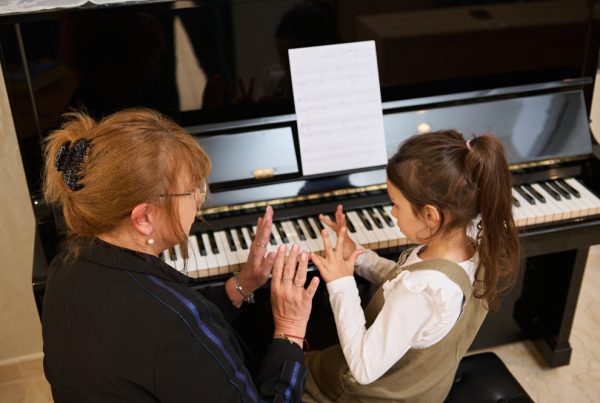
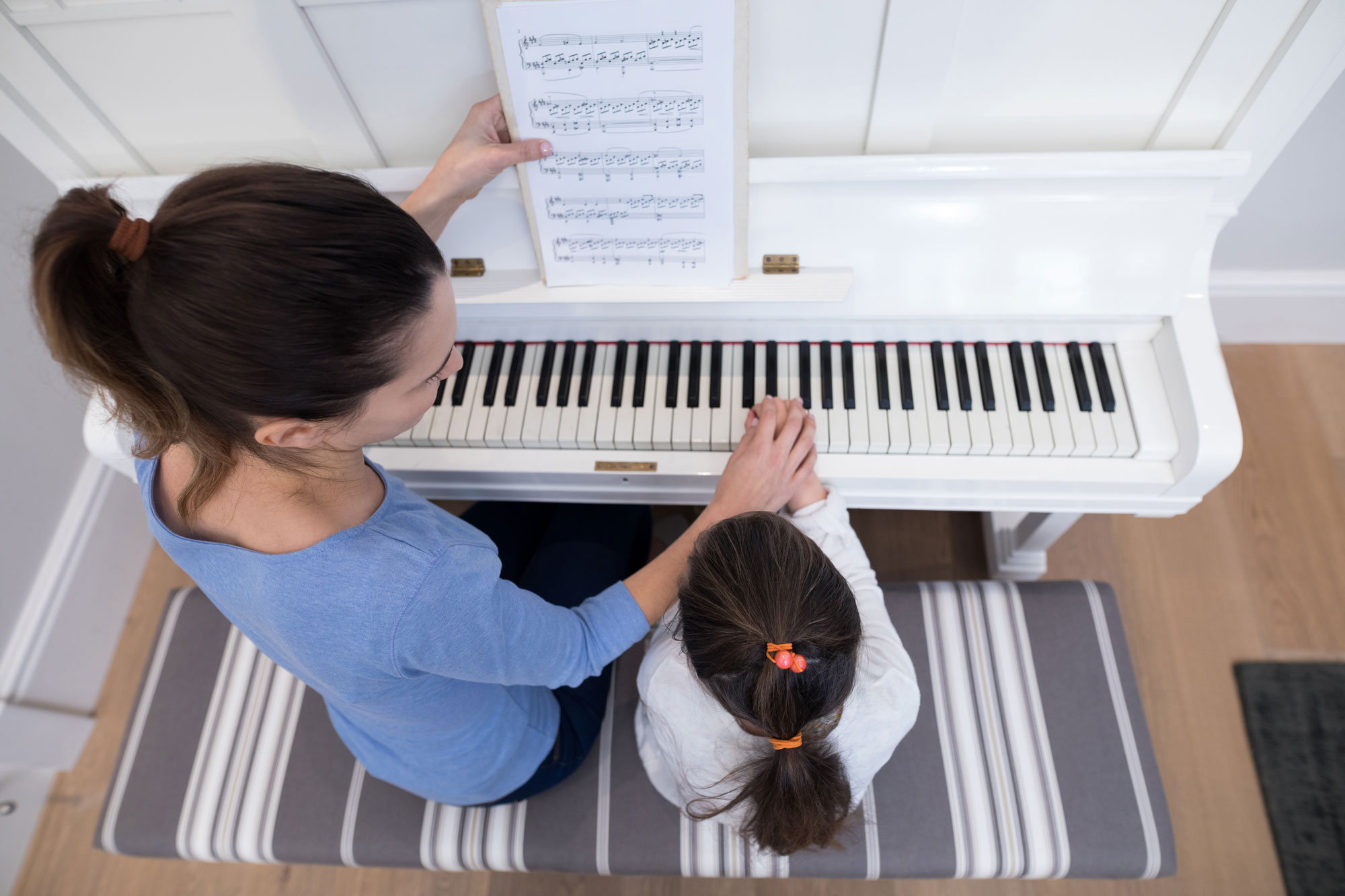
Private piano lessons in Salt Lake City are one-on-one sessions between a student and a dedicated instructor. While each teacher has a personal style, strong programs share common elements that help children build solid skills over time.
Core ingredients of a private lesson
- Warm-up and review: Short finger exercises, scale patterns, or rhythm drills that prepare hands and brain.
- Song work: Focused time on one or two pieces that match the student’s level and interest.
- Technique checks: Hand position, posture, and tone quality, corrected in real time.
- Music reading and theory: Step-by-step learning of notes, rhythmic values, and symbols.
- Creativity and ear training: Simple improvisation, call-and-response activities, or listening games.
- Practice planning: A clear plan for what to work on before the next lesson.
In the Volz Piano approach, explained in detail on the Volz Method page, teachers blend reading, composing, listening, and arranging so students develop into well-rounded musicians instead of just learning by rote. The focus is always on helping kids understand music deeply while still having fun at the piano.
How private lessons adapt to different types of learners
Every child in Salt Lake City learns differently. Some students are analytical and love decoding notes. Others are more physical and respond to movement, clapping, and games. Skilled private piano teachers respond to these differences in real time.
- Visual learners benefit from color-coded notes, written reminders, and clear demonstration on the keys.
- Auditory learners thrive when teachers sing, play patterns, and ask students to echo back sounds.
- Kinesthetic learners stay engaged through rhythm games, movement breaks, and short activities that keep bodies active.
Because lessons are one-on-one, the instructor can change strategy mid-lesson. If your child is losing focus, the teacher can shift to a quick game or a favorite song. If they are ready for a challenge, the teacher can introduce a new scale, chord pattern, or creative project on the spot.
Parents who want a deeper explanation of how methods differ can explore articles on the Volz Piano blog, including guides that compare teaching approaches and show how the Volz Method was designed specifically for kids in Utah.
Salt Lake City Music Scene and Local Opportunities
Private piano lessons in Salt Lake City do not exist in isolation. Children benefit when their weekly practice connects to a living arts community. The city and surrounding county offer concerts, festivals, and youth programs that help young pianists see how music fits into everyday life.
The Salt Lake County Arts & Culture system manages venues that host symphony concerts, choirs, and touring artists throughout the year. Families can attend performances to show children how piano and other instruments sound in professional settings. The Salt Lake City Arts Council Living Traditions Festival highlights music and dance from many cultures, helping kids appreciate a wide range of musical traditions.
On the education side, the University of Utah Piano Outreach Program provides group piano classes and outreach in local schools. While that program focuses on community access rather than in-home lessons, it shows how strongly the region values piano education and gives older students models of collegiate-level playing.
Connecting private lessons to local music experiences
- Attend a family-friendly concert and ask your child to identify rhythms or instruments they recognize from lessons.
- Visit community events where local performers play, and point out how practice and teamwork lead to confident performances.
- Use recital opportunities provided by your teacher or by Volz Piano to help children set real-world goals, such as performing for grandparents or friends.
When kids see that their private piano lessons in Salt Lake City connect to a rich arts community, practice feels purposeful instead of abstract. They recognize that the skills they are building can carry them into church music, school ensembles, or even composition and recording projects later on.
Inside the Volz Piano Method for Kids
Parents researching private piano lessons in Salt Lake City quickly discover that every teacher has a different approach. Volz Piano stands out because it uses a complete, child-centered system called the Volz Piano Method. This method is described on the Volz Method page and in several in-depth articles on the Volz blog.
Reading: Building strong music literacy
Reading is still a core part of the Volz Piano Method. Students learn to recognize notes on the staff, understand rhythm, and connect what they see on the page to what they hear at the piano. Instead of rushing past these basics, teachers use games, flashcards, and carefully sequenced pieces to make reading feel manageable and encouraging.
Hearing: Training the musical ear
Some children in Salt Lake City pick out melodies by ear long before they can read notes. The Volz Method treats this as a strength. Lessons include call-and-response activities, interval recognition, and short echo games that help sharpen listening skills. Over time, students learn to match pitch, distinguish chords, and hear patterns that make new songs easier to learn.
Composing: Helping kids create their own music
Many kids love to make up tunes at the piano. Instead of ignoring that instinct, Volz teachers guide students to compose simple pieces, then gradually add structure. Young composers might start by choosing a favorite five-note pattern and experimenting with rhythm or dynamics. Older students can learn about chord progressions and form, then write short pieces for recitals or family events.
Arranging: Personalizing familiar songs
Arranging lets students transform songs they already love. Teachers show how to break down melodies, add accompaniments, and adapt pieces to each student’s level. This work helps children understand harmony and gives them confidence when they want to play pop songs, worship music, or holiday favorites for friends and relatives.
Why this method fits kids in Utah
- It allows for traditional reading skills while honoring students who learn quickly by ear.
- It encourages creativity without losing structure or clear milestones.
- It links closely to real practice habits that families can use at home.
All Volz teachers train in the method before working with students, and additional information about that training is available on the Volz Piano Pricing and Core Values pages. This consistency means that if your family moves from one part of the Salt Lake Valley to another, your child’s learning path can continue with minimal disruption.
In-Home Private Lessons vs Studio Lessons in Salt Lake City
Families often weigh whether to drive to a teacher’s studio or choose an in-home model. In the Salt Lake area, weather, traffic, and family schedules make in-home private piano lessons especially attractive.
Benefits of in-home private piano lessons
- No commute: You avoid snowy roads, rush-hour traffic, and extra time in the car.
- Consistent environment: Kids practice on the same instrument they use during lessons, so skills transfer directly.
- Simple supervision: Parents can listen from the next room, check in at the end, and still manage other children or tasks at home.
- More time for practice: The minutes you save on driving can turn into focused, calm practice time.
Volz Piano’s in-home piano tutor model is built around this reality. Teachers drive across Utah to reach families, including many neighborhoods in Salt Lake City and nearby counties. The company explains this service in detail in its guide to home-based lessons and mobile teachers on the Volz Piano blog.
When studio lessons might still make sense
There are situations where a traditional studio can be helpful, such as when a student prepares for certain exams or competitions that require specific instruments, or when a family does not have space for even a compact digital piano at home. However, most families in Salt Lake City can create a workable practice space with a small keyboard, a sturdy stand, and a simple bench.
If you are unsure which path fits your child, consider starting with in-home private piano lessons in Salt Lake City, then adding occasional group workshops or recitals. Volz Piano often hosts events and can help you combine the best of both worlds.
Best Age to Start Private Piano Lessons
Parents often ask, “What is the best age for my child to start private piano lessons in Salt Lake City?” The answer depends on readiness rather than a fixed number, but there are helpful guidelines.
Typical starting ages
- Many children are ready between ages 4 and 7, when attention spans grow and fine motor skills improve.
- Younger children may do well with very short, playful lessons that focus on rhythm, listening, and basic patterns.
- Older beginners can move quickly through early levels because they read, count, and follow directions more easily.
Organizations like the National Association for Music Education emphasize that early music experiences can be playful and exploratory. That principle applies at the piano as well. A good private teacher will not force small hands into stressful technique work before your child is ready. Instead, lessons for very young beginners often include clapping, singing, and simple games at the keys.
Signs your child is ready
- They can follow simple two-step directions, such as “close the book and put it on the table.”
- They show interest in music, humming tunes or reacting to songs.
- They can comfortably sit and focus on an activity for five to ten minutes.
- They can distinguish left hand and right hand and identify numbers 1 through 5.
Volz Piano often discusses readiness during an initial consultation or first lesson. When you schedule a call, you can ask how teachers adapt for preschoolers, early elementary students, and older beginners and get honest feedback about what might work best for your child.
What to Expect in the First Lesson and Beyond
Knowing what will happen in a first lesson helps children feel calm and curious instead of nervous. While every teacher has a slightly different flow, private piano lessons in Salt Lake City usually follow a predictable pattern.
The first lesson
- Welcome and setup: The teacher learns your child’s name, checks the bench height, and adjusts the instrument position.
- Getting to know your child: Simple questions about favorite songs, school grade, and hobbies to build rapport.
- Exploring the keyboard: Identifying groups of two and three black keys, finding middle C, and experimenting with high and low sounds.
- First musical activity: A simple rhythm or pattern that your child can copy, celebrate, and repeat.
- Short parent conversation: A quick summary of what went well, how often to practice, and what to expect next week.
Teachers from Volz Piano design that first meeting to feel friendly and success-focused, whether your child is shy, energetic, or somewhere in between. Many families appreciate the way instructors combine structured goals with a relaxed, child-sized pace.
Weekly lesson rhythm
After the first lesson, weekly private piano lessons in Salt Lake City often follow this flow:
- Warm-up: easy review pattern or scale from last week.
- Song work: refining old pieces and starting new material.
- Reading and theory: short exercises that connect to the songs.
- Creative activity: improvisation, composing, or arranging once or twice a month.
- Practice plan: a written list or assignment notebook that tells the student exactly what to do at home.
Volz Piano uses assignment systems and parent-friendly communication tools so you know what your child should practice during the week. Many of these tools are discussed in detail in their articles about home practice on the Volz Piano blog.
Curriculum, Levels, and Progress Milestones
Strong private piano lessons in Salt Lake City follow a plan that is flexible but not random. Children benefit when they know where they are headed and how to tell when they have moved forward.
Typical stages in a kid-friendly curriculum
While each student is unique, many child-focused programs in Utah, including the Volz Piano Method, follow a path similar to this:
- Stage 1: Explorers Children learn finger numbers, simple rhythms, and patterns that move stepwise. They experiment with loud and soft sounds and learn how to sit comfortably at the piano.
- Stage 2: Readers Students recognize notes around middle C, read simple pieces in two hands, and keep steady beat with basic rhythms. They start to understand time signatures and basic dynamics.
- Stage 3: Builders Kids learn scales, simple chords, and hands-together playing in more keys. They explore left-hand patterns that support right-hand melodies and try pieces in different styles.
- Stage 4: Storytellers Students play longer pieces, use pedal, and shape phrases with dynamics and articulation. They may compose short pieces or write their own arrangements of familiar songs.
- Stage 5: Performers Older or more advanced children prepare recital pieces, learn to practice efficiently, and may explore more complex harmony, ensemble playing, or basic improvisation.
Using levels to motivate kids
Levels work best when students experience them as milestones rather than pressure. Many teachers in Salt Lake City use stickers, digital badges, or small certificates to mark achievements such as “first recital,” “first scale in four keys,” or “sight-read a full page.” Volz Piano often uses achievement markers tied to its method so kids can see how far they have come and what is next.
Connecting curriculum with real life
Private piano lessons in Salt Lake City gain extra energy when they are connected to events your child cares about. For example:
- Preparing a piece for a family gathering or holiday celebration.
- Choosing a favorite movie theme to arrange after learning certain chords.
- Participating in recitals or informal “piano parties” organized by your teacher or by Volz Piano.
These connections show children that the skills listed in their practice notebook are tools they can use to communicate and share with others.
Practice Habits and Parent Support at Home
Even the best private piano lessons in Salt Lake City only last 30 to 60 minutes each week. Real progress happens in the small blocks of practice that students complete at home. Parents do not have to be musicians to help. They simply need a few clear routines.
How often and how long should kids practice?
- For young beginners, 10 to 15 minutes a day, four to six days per week, is often enough.
- For elementary-age students, 15 to 25 minutes a day works well.
- For older or more advanced students, 30 minutes or more helps maintain steady growth.
Short, regular sessions usually beat one long weekend session. Teachers from Volz Piano often recommend tying practice to routines you already have, such as right after homework or before bedtime reading.
Creating a practice-friendly environment
The American Academy of Pediatrics encourages families to set healthy media habits that protect focus and sleep. Their guidance on creating a family media plan, available through HealthyChildren.org, includes ideas like screen-free zones and times. Applying these ideas around practice can be very effective.
- Choose a calm, well-lit corner for the piano or keyboard, away from the television.
- Keep devices away during practice unless your teacher has assigned a specific app.
- Post a simple practice chart on the wall and let your child add stickers after each session.
What parents can do during practice
- Ask your child to play their “favorite song” from the lesson and listen with interest.
- Gently remind them to follow the assignment list provided by the teacher.
- Celebrate small wins, such as mastering a tricky measure or improving hand position.
- Record short “mini-recitals” for grandparents or relatives, which adds positive pressure.
For more specific ideas, parents can read Volz Piano’s articles about home practice and at-home teaching tips on the Volz Piano blog, which include suggestions tailored to Utah families and busy school schedules.
Costs, Budgeting, and Scholarships in Salt Lake City
Cost is an important part of deciding whether private piano lessons in Salt Lake City are realistic for your family. Rates vary based on teacher experience, lesson length, and travel distance, but parents can make informed choices with a few guidelines.
Typical price ranges
On the Volz Piano pricing page, the company explains that lesson prices usually fall within a range per half hour, with exact quotes based on your city and number of students. Longer lessons cost more per week but may offer better value per minute of instruction for older or more advanced students.
Factors that influence pricing
- In-home service: Teachers who drive to your home save you travel time, and pricing reflects that convenience.
- Teacher training and experience: Instructors trained in the Volz Method and child-focused pedagogy bring specialized skills.
- Lesson length: Many families start with 30-minute lessons and later move to 45-minute sessions as students progress.
- Number of children: Sibling discounts or back-to-back scheduling can sometimes reduce the per-child cost.
Scholarships and financial support
Utah families may have access to education support programs and scholarships that can help with private piano lessons. Volz Piano notes on its site that it accepts the Utah Fits All Scholarship, which can make in-home piano teachers more accessible for qualifying families. Details about eligibility and application processes are available through state resources and should be confirmed there, while Volz staff can explain how accepted scholarships interact with their billing.
In addition, some community organizations and churches offer limited arts scholarships or performance opportunities. These may not cover private lesson fees but can supplement your child’s musical experience at low cost.
Planning a realistic budget
- Decide how many months you can commit to lessons initially and set a review date.
- Include recital fees, music books, and occasional equipment needs in your plan.
- Discuss cancellation and makeup policies with your teacher so there are no surprises.
Because Volz Piano uses a month-to-month model, explained on its pricing page, families can adjust as school schedules or financial situations change while still giving kids a consistent experience.
How to Choose the Right Private Piano Teacher
The quality of the teacher is one of the biggest factors in how your child experiences private piano lessons in Salt Lake City. A well-matched instructor can turn practice into something your child looks forward to instead of a chore.
Key qualities to look for
- Child-focused training: Experience teaching kids, not only adults.
- Clear communication: The ability to explain goals in simple language to both parents and students.
- Patience and warmth: A calm presence during mistakes and a cheerful response to small improvements.
- Organized structure: Lesson plans, progress tracking, and consistent assignment notes.
On its Core Values page, Volz Piano explains that it views teachers as the heart of the company and invests in their training. Instructors are trained in the Volz Method and coached in growth mindset, which helps them encourage children who struggle with confidence. Parents can also read real experiences from other families on the Volz Piano testimonials page.
Questions to ask during a consultation
- How do you adapt lessons for shy or energetic children?
- What are your expectations for home practice for my child’s age?
- How do you give feedback to parents, and how often?
- What does progress typically look like after six months or one year?
If you are considering Volz Piano, many of these questions can be discussed during the initial call that you set up on the Schedule a Call page. You can also compare information in blog articles such as the guide to piano lessons near you and mobile lesson overviews on the Volz blog.
How to Start Private Piano Lessons with Volz Piano
If you decide that private piano lessons in Salt Lake City fit your child and your schedule, the next step is to enroll. Volz Piano makes this process straightforward, especially for families new to music education.
Step 1: Learn about the method
Begin by reading about the complete Volz Piano method for kids on the Volz Method page. This overview explains how reading, composing, listening, and arranging all fit into your child’s path.
Step 2: Explore local service information
Next, review the details specific to your area. The article on Salt Lake piano lessons and the guide to piano tutors that come to your home explain which Utah cities are currently served and how scheduling works for in-home lessons.
Step 3: Schedule a call
When you are ready, visit the Schedule a Call page. There, you can request a phone call to discuss:
- Your child’s age, experience, and musical interests.
- Where you live in the Salt Lake area and what time slots might work.
- Questions about pricing, scholarships, or special needs.
Step 4: Match with a teacher and begin lessons
After the initial call, Volz Piano matches your family with a teacher who serves your neighborhood and fits your child’s personality. You will then pick a start date, ensure your piano or keyboard is ready, and receive instructions for the first lesson. Over time, you and your teacher can refine goals together using progress updates, assignment notes, and occasional check-ins.
Parents who like to research before making decisions can find even more details in Volz Piano’s article on mobile lessons for kids and related posts about at-home instruction on the Volz blog. These resources show how the same method works for families across Salt Lake City and the wider Utah region.
Frequently Asked Questions about Private Piano Lessons in Salt Lake City
These dropdown questions address common concerns parents have when starting private piano lessons in Salt Lake City. Click each question to view the answer.
How long is a typical private piano lesson for kids in Salt Lake City?
Most young beginners start with 30-minute private piano lessons once per week. This length is long enough to warm up, review old pieces, and introduce new material without overwhelming a small child. As students grow and pieces become more complex, many families move to 45-minute sessions. Volz Piano discusses recommended lesson lengths and pricing on the Volz Piano pricing page and can suggest what fits your child’s age and attention span during the initial call.
Do we need a full acoustic piano before starting private lessons?
You do not need a large acoustic piano to begin private piano lessons in Salt Lake City. A full-sized digital keyboard with weighted keys, a sturdy stand, and a proper bench is usually enough for beginners. Over time, some families decide to upgrade to an acoustic instrument, but strong progress is possible using a quality keyboard. Volz Piano shares digital piano tips in its home-lesson articles and can offer guidance about suitable models when you schedule a call.
How do in-home private piano lessons work in apartments or townhomes?
In-home private lessons can work very well in apartments and townhomes across Salt Lake City. Teachers simply need enough space for a piano or keyboard, a bench, and a small area for the student and parent. Many families place instruments against an interior wall and schedule lessons at times that are reasonable for neighbors. Because Volz teachers drive to your location, they are familiar with different housing setups and can suggest ways to minimize noise and distractions.
What if my child has learning differences or special needs?
Many children with learning differences, ADHD, autism, or anxiety thrive with private piano lessons because instruction is one-on-one and can be adapted to their pace. The Volz Piano Method is flexible enough to mix movement, visual aids, and repetition in ways that support different learning profiles. During your initial conversation on the Schedule a Call page, you can share any diagnoses or concerns so the team can match your family with a patient teacher who has relevant experience.
How much should my child practice between lessons?
For most students in private piano lessons in Salt Lake City, daily practice matters more than the total number of minutes. Young beginners might aim for 10 to 15 minutes a day, while older children might work toward 20 to 30 minutes. The key is consistency. Volz teachers provide clear practice assignments, and parents can support by creating screen-free practice routines, using healthy media guidelines such as those suggested by the American Academy of Pediatrics family media plan.
Are private piano lessons only for students who want competitions or advanced study?
No. Private piano lessons in Salt Lake City are valuable for children with many different goals. Some students eventually pursue advanced repertoire or auditions, while others simply enjoy playing for family, church, or personal relaxation. The Volz Piano Method is designed for kids across that spectrum. It builds solid skills that can support high-level study later while still letting children enjoy music at whatever level fits their interests.
How do cancellations and make-up lessons usually work?
Policies vary by teacher and studio, but most private piano instructors in Salt Lake City offer clear rules about cancellations and rescheduling. Volz Piano explains its expectations during enrollment, including how much notice is required if your child is sick or your schedule changes. Because teachers drive to you, it is especially helpful to communicate early. Asking about cancellations during the first call on the Schedule a Call page ensures that you understand how to handle unexpected events.