Table of Contents
- 1. Why the Piano Keyboard Is a Great First Instrument for Kids
- 2. How the Volz Piano Method Helps Kids Learn the Piano Keyboard
- 3. Choosing the Right Piano Keyboard for Your Child
- 4. In Home Piano Keyboard Lessons in Utah with Teachers That Drive to You
- 5. Piano Keyboard Skills by Age: What Kids Learn at Different Stages
- 6. Practice Routines That Make Piano Keyboard Fun for Kids
- 7. Supporting Different Learning Needs on the Piano Keyboard
- 8. How to Get Started with Volz Piano Keyboard Lessons in Utah
- 9. FAQ: Piano Keyboard Lessons for Kids
1. Why the Piano Keyboard Is a Great First Instrument for Kids
A piano keyboard gives kids a clear, visual way to see music. The white and black keys form repeating patterns that make it easier for children to understand high and low sounds, steps and skips, and how chords are built. For many kids, piano keyboard lessons are the doorway into all future music learning, whether they later choose band, choir, or another instrument. Studies on music education show that children who learn an instrument tend to develop stronger focus, problem solving, and teamwork skills. Research highlighted by the NAMM Foundation points out that kids who take part in music programs often perform better in school and build stronger study habits over time, making music a smart long term investment for families. Other organizations, such as the National Federation of State High School Associations, have shared findings that music practice supports brain growth, improves listening skills, and helps children manage stress in healthy ways. When kids learn to coordinate hands, eyes, and ears on a piano keyboard, they are training many parts of the brain at once, not just learning songs for recitals. Because the keyboard layout is straightforward, piano keyboard lessons for kids are also friendly for young beginners who cannot yet juggle complex fingerings or posture demands from instruments like violin or flute. Children can sit upright, rest their hands on the keys, and focus on sound, rhythm, and simple patterns without wrestling with heavy instruments or reeds. Parents often search for phrases like “piano keyboard lessons for kids in Utah at home” or “piano keyboard lessons for kids in Salt Lake City” because they want something practical that fits school, sports, and family time. A piano keyboard takes up relatively little space, can be turned down or used with headphones, and allows kids to practice at almost any time of day without disturbing neighbors. With the right structure, children’s piano keyboard lessons become a mix of play and progress. Simple songs, chords, and patterns teach musical building blocks, while games and backing tracks keep the experience joyful. This is exactly the kind of approach that Volz Piano builds into its kids piano lessons Utah families book through their main site. Return to Table of Contents2. How the Volz Piano Method Helps Kids Learn the Piano Keyboard
At Volz Piano, the complete Volz Piano Method for kids is built around the idea that every child learns differently. Instead of forcing a single path, the method blends several skills so teachers can adjust piano keyboard lessons for kids to match each student’s strengths and interests. The official description of the Volz Piano Method explains that lessons combine reading, composing, hearing, and arranging so kids can grow as full musicians, not just note readers. Teachers use this mix to create piano keyboard lessons for kids that feel creative and personal, especially when those lessons take place in the child’s own home. On the Volz Method overview page, you can see how the curriculum emphasizes:- Reading: step by step reading of notes and rhythms on the piano keyboard
- Composing: encouraging kids to write small patterns and songs
- Hearing: training students to recognize chords, intervals, and melodies by ear
- Arranging: letting children reshape familiar tunes into their own versions
3. Choosing the Right Piano Keyboard for Your Child
One of the biggest early questions parents have is what kind of piano keyboard to buy for lessons. Should you choose a small 61 key keyboard, a full size digital piano, or wait and invest in an acoustic piano later? The good news is that most kids piano keyboard classes can begin on a solid digital instrument, especially for early levels.Key count and size
For very young children, a smaller keyboard can work at first, but most teachers recommend moving toward a 76 or 88 key piano keyboard as soon as possible. This helps children learn the full layout of the instrument and avoids confusion when they visit school pianos or perform elsewhere.Weighted keys and touch sensitivity
Weighted keys and touch sensitivity are important for realistic technique. When kids play on a piano keyboard that responds to how hard or soft they press, they learn control, dynamics, and arm weight. That way, when they later sit at an acoustic piano, their skills transfer smoothly. The digital piano recommendations from Volz Piano highlight instruments that feel stable, include stands or built in legs, and come with essentials like benches and sturdy X stands. Many families start with options from that list so kids have an instrument that feels like a real piano even though it plugs into the wall.Headphones and volume control
One big advantage of a digital piano keyboard for kids is the ability to practice with headphones. Families in apartments, townhomes, or shared spaces appreciate letting kids play at quiet times without worrying about disturbing neighbors. Volume control also means practice can happen early in the morning or later in the evening when the rest of the house needs quiet.Budget and growth over time
Parents who search for “affordable piano keyboard lessons for kids in Utah” are usually thinking about both lesson costs and instrument costs. In many cases, it makes sense to start with a reasonably priced digital piano and upgrade later if your child commits to long term study. Volz teachers can offer practical advice about whether your current keyboard is enough for your child’s level and goals. Since Volz Piano offers piano keyboard lessons for kids on digital piano or keyboard, there is no need to buy a grand piano to start. What matters most is that the keys are full size, the action feels consistent, and the instrument can be placed in a part of the house where practice is realistic. Return to Table of Contents4. In Home Piano Keyboard Lessons in Utah with Teachers That Drive to You
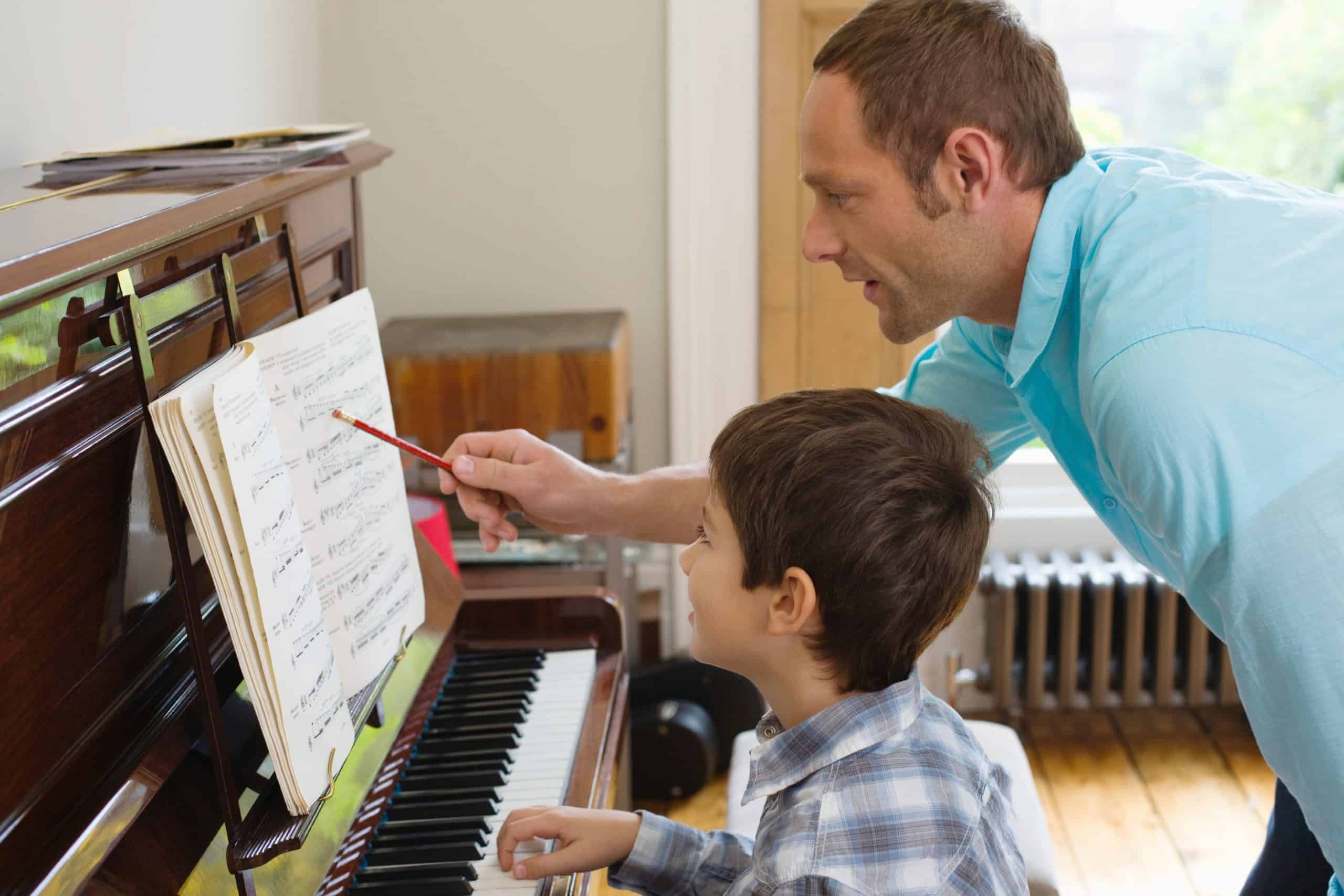
One of the most distinctive things about Volz Piano is the way they deliver lessons. Instead of asking families to fight traffic after school, Volz Piano provides piano teachers that drive to you in Utah. The homepage proudly states, “We drive to your house,” which means your child can learn on the piano keyboard they use every day, right in the comfort of home. Kids piano keyboard lessons at home help children feel more relaxed. They can sit in a familiar chair, follow a predictable routine, and avoid the stress of new buildings and waiting rooms. For shy or anxious students, this kind of in home piano keyboard lessons for kids in Utah can make the difference between quitting early and truly enjoying music. The pricing page on the Volz site explains that lesson rates vary slightly by city and number of students, but the structure includes multi student discounts for siblings. This fits perfectly with families searching for “family piano keyboard lessons for kids and siblings in Utah” or similar phrases, since one teacher can work with several children in the same visit. Volz Piano also participates in the Utah Fits All Scholarship program, which lets families use education funds for approved extracurriculars such as piano lessons. Parents can ask how this applies to in home piano keyboard lessons for kids when they schedule a call. Because Volz Piano teachers serve many areas across the state, including places like Salt Lake City, Utah County, and other nearby communities, parents often find that scheduling is more flexible than they expected. Mobile piano teachers for kids can arrange lesson times around sports, homework, and family events instead of forcing parents to leave work early every week. In home lessons also encourage parent involvement. When lessons happen in your living room, you can quickly check in with the teacher, ask questions, and get a real feel for your child’s progress. The Volz Piano testimonials page is full of comments from Utah parents who appreciate this personal connection and the way mobile lessons fit real life. If you are curious about how this looks day to day, the Volz blog includes multiple posts about teaching piano lessons at home in Utah, family bundles, and music lessons at home. These articles give a picture of what happens before, during, and after a typical lesson and how the Volz Piano Method for kids plays out on a piano keyboard in the kitchen or family room. Return to Table of Contents5. Piano Keyboard Skills by Age: What Kids Learn at Different Stages
Every child is unique, but it helps parents to know what piano keyboard skills kids usually build at different ages. The Volz Piano Method is flexible, so these are general patterns rather than rigid rules.Ages 4 to 5: Exploring sounds and simple patterns
At this stage, piano keyboard lessons for young children in Utah focus on play and exploration. Kids learn:- High and low sounds on the keyboard
- Simple finger numbers and hand position
- Short rhythm patterns using clapping and stepping
- Very short songs that may use only two or three notes
Ages 6 to 8: Building basic reading and coordination
In this age group, piano keyboard lessons for kids start to include more formal reading and two hand playing. Children often learn to:- Recognize notes on the staff and find them on the keyboard
- Play simple melodies in right hand with basic left hand chords
- Count steady beats and basic rhythms
- Use dynamics such as loud and soft
Ages 9 to 12: Growing into full songs and creative projects
Older children can handle more detailed instruction, so piano keyboard lessons for kids who want to compose music or improvise fit nicely here. Typical skills include:- Playing with both hands independently
- Learning scales and broken chords
- Reading more complex rhythms and key signatures
- Trying out simple composition projects on the keyboard
Teens and advanced kids: Deeper musicianship
As students grow, piano keyboard lessons for homeschooled kids in Utah, public school students, and private school students all aim toward the same goal: confident, independent musicianship. Teens can prepare for recitals, accompany choirs, write their own music, or simply enjoy playing for family and friends. Return to Table of Contents6. Practice Routines That Make Piano Keyboard Fun for Kids
Even the best piano keyboard lessons for kids will stall if practice at home feels like a chore. The key is building small, achievable habits that match your child’s age and attention span.Start small and build slowly
For beginners, five to ten minutes of focused practice, most days of the week, can bring real progress. Many parents find success by linking piano keyboard practice to another daily habit, such as right after homework or just before dinner. Practice sessions might include:- A quick warm up pattern on the piano keyboard
- One or two kids piano keyboard songs from the lesson book
- A short game such as naming random keys or clapping rhythms
Use games and goals
Fun piano games for kids on piano keyboard can turn repetition into play. For example, children might:- Roll a die to decide how many times to repeat a pattern
- Play a “mystery note” game where they find notes with eyes closed
- Race a timer to see how many correct chords they can play
Connect practice to brain benefits
Many parents are encouraged to know that music practice supports cognitive development. Organizations such as Education Through Music note that learning and playing an instrument can boost fine motor skills, executive function, and concentration in children. Other reports show that ongoing music study helps kids manage emotions and build confidence, especially when they perform and succeed in small steps. Recent coverage from parenting news outlets has even highlighted surveys where most parents say music education improves their children’s confidence and happiness. Piano keyboard lessons for kids become about more than songs, they become a tool for whole child growth. Return to Table of Contents7. Supporting Different Learning Needs on the Piano Keyboard
No two kids learn the same way. Some children want to see everything written on the page. Others copy what they hear. Some need lots of movement breaks, and some can focus quietly for long stretches. The Volz Piano Method for kids is built to handle this variety by offering flexible paths through piano keyboard skills.Readers, listeners, and creators
Kids who like reading often enjoy learning the staff and playing many short pieces. Kids who learn best by ear might shine when teachers play a melody first and let them copy it on the keyboard. Creative students might bring their own chord patterns and ask how to turn them into full songs. Volz teachers use these strengths to design piano keyboard lessons for kids that are both structured and playful. For example, a student who loves patterns might spend more time exploring how chords move across the keyboard, while a student who loves melodies might work on arranging favorite tunes.Neurodivergent learners
Parents searching for “piano keyboard lessons for neurodivergent kids in Utah” often want teachers who are patient, flexible, and open to sensory needs. In home piano keyboard lessons allow adjustments that would be harder in a studio, such as:- Dimmer lights and lower sound levels
- Shorter but more frequent lesson segments
- Movement breaks between keyboard activities